Imagine living in a place so remote that even death can't find you — not because it's forbidden by nature, but because it's actually against the law. Welcome to Longyearbyen, Norway, where the local government has made it illegal to die within city limits, and they're dead serious about enforcing it.
When Geography Makes Death Illegal
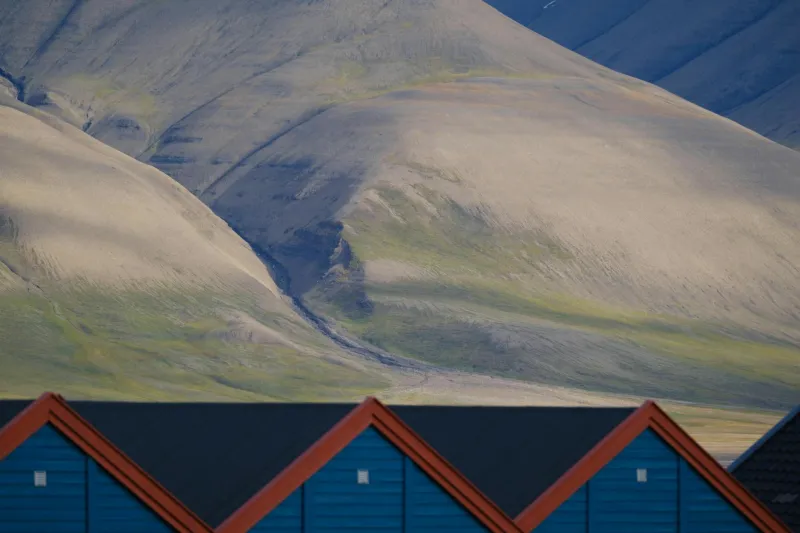
Tucked away on the Svalbard archipelago, roughly 800 miles from the North Pole, Longyearbyen holds the distinction of being the world's northernmost settlement. With a population hovering around 2,000 people, this coal mining town operates under some of the strangest municipal laws on Earth — and the death ban tops the list.
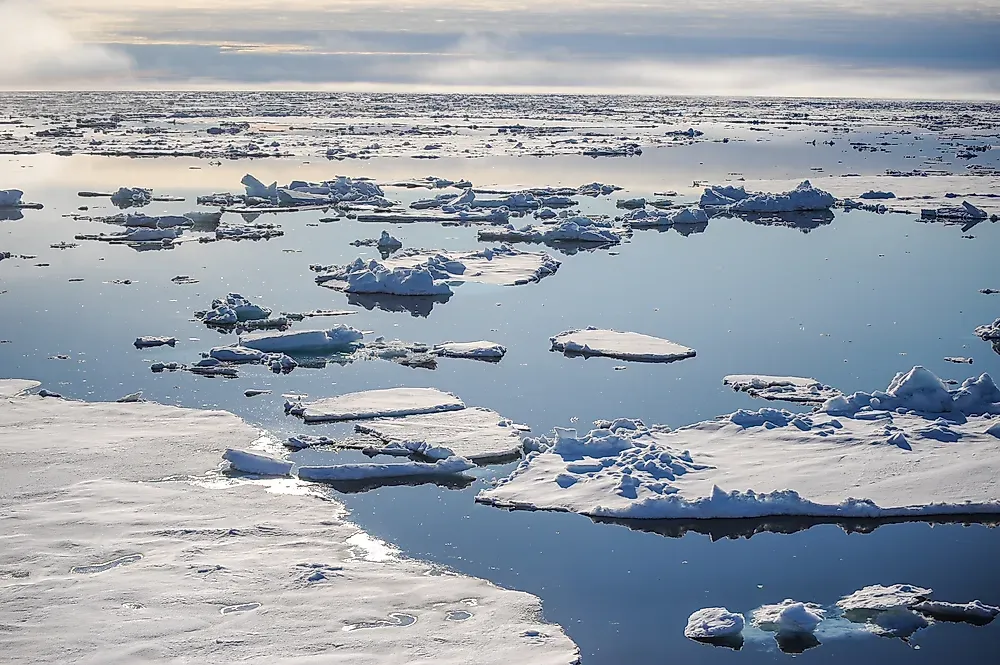 Photo: North Pole, via www.worldatlas.com
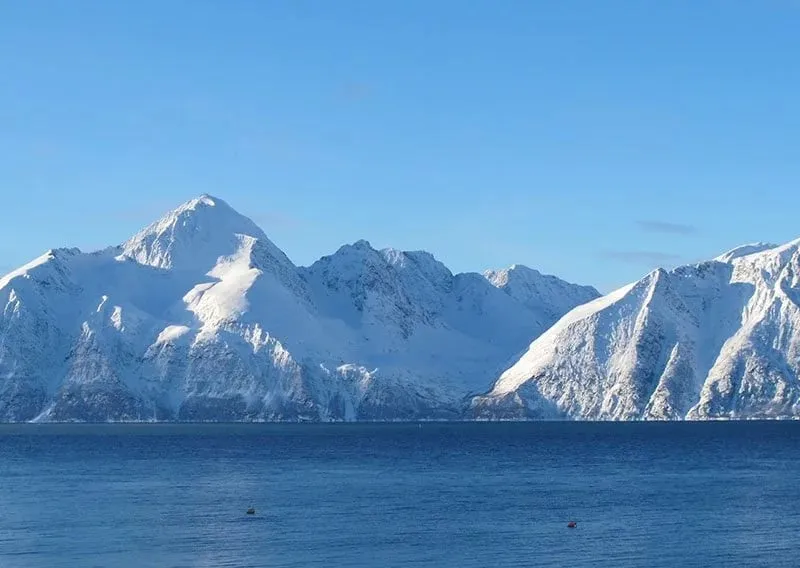 Photo: Svalbard archipelago, via 57hours.com
The rule isn't some quirky publicity stunt or philosophical statement about mortality. It's rooted in a chilling discovery that cemetery workers made back in the 1950s. Bodies buried in Longyearbyen's graveyard weren't decomposing. At all.
The permafrost — ground that remains frozen year-round — acts like a massive natural freezer, preserving everything buried within it indefinitely. When researchers examined bodies that had been interred for decades, they found them in disturbingly perfect condition, complete with intact clothing and preserved tissue.
The Virus That Changed Everything
What started as a macabre curiosity became a genuine public health crisis when scientists made an even more unsettling discovery. In 1998, researchers studying the preserved remains of Spanish flu victims from 1918 found that the deadly virus was still viable in the frozen corpses, nearly 80 years later.
Suddenly, Longyearbyen's cemetery wasn't just a collection of well-preserved bodies — it was a potential biological time bomb. The permafrost that had seemed like nature's own preservation system was actually creating a repository of historical diseases that could theoretically be reactivated.
City officials faced an unprecedented dilemma. They couldn't remove the existing bodies without risking exposure to preserved pathogens, but they also couldn't allow new burials that might compound the problem. Their solution was characteristically Norwegian in its practicality: if you can't solve the death problem, simply make death illegal.
How to Enforce the Unenforceable
Of course, you can't actually prevent people from dying through legislation — biology doesn't respect municipal ordinances. Instead, Longyearbyen developed a system that sounds like something from a dystopian novel but works with surprising efficiency.
When residents become terminally ill or reach advanced old age, they're essentially exiled from their own town. The local government arranges transportation to mainland Norway, where they can live out their final days in care facilities or with family. It's a policy that's both compassionate and coldly practical.
The town has also implemented strict residency requirements that effectively prevent elderly people from moving to Longyearbyen in the first place. Prospective residents must demonstrate their ability to work and support themselves — a requirement that naturally filters out those approaching the end of their lives.
Life in a Death-Free Zone
For the residents who remain, life in Longyearbyen comes with other surreal restrictions. The town maintains a "seed vault" that preserves crop varieties for humanity's future, but it can't accommodate human remains. Polar bears outnumber residents and pose enough of a threat that it's illegal to leave town without carrying a rifle, yet the greatest certainty — death itself — is banned.
The irony isn't lost on locals. In a place where survival depends on preparation for every possible Arctic emergency, the one universal human experience is simply not allowed to happen. Residents joke darkly about their unique immigration requirement: you can move to Longyearbyen, but you can't stay forever.
A Policy That Actually Works
Despite its absurdist premise, Longyearbyen's death ban has proven remarkably effective. The cemetery hasn't accepted a new burial since the 1970s, and the town has successfully avoided creating new repositories of preserved pathogens. Medical evacuations have become routine, handled with the same efficiency as any other municipal service.
The policy has also created an unexpected side effect: Longyearbyen has become a place where death, normally an inevitable part of community life, exists only as an abstract concept. Children grow up without attending local funerals, and the town has developed a unique culture around the temporary nature of all residence.
The Ultimate Arctic Paradox
In the end, Longyearbyen represents one of humanity's strangest attempts to legislate against nature itself. It's a place where the ground is too frozen for death, the climate too harsh for permanent settlement, and the isolation so complete that even dying becomes a logistical challenge requiring government intervention.
For a town that exists at the edge of human habitability, making death illegal might seem like just another day at the office. But it raises profound questions about what happens when the natural order collides with practical necessity, and sometimes the most logical solution is also the most absurd.
In Longyearbyen, death isn't just inevitable — it's a deportable offense.