When Numbers Don't Add Up to Flight Time
David Morrison thought the letter was a prank. Sitting at his kitchen table in Cincinnati on a Tuesday morning in 1983, the 34-year-old certified public accountant stared at the official Federal Aviation Administration envelope containing what appeared to be a commercial pilot license—complete with his name, address, and a shiny new certificate number.
The only problem? Morrison had never set foot inside an airplane cockpit in his life.
"I figured one of my buddies was pulling my leg," Morrison later told investigators. "I mean, I get airsick just thinking about flying."
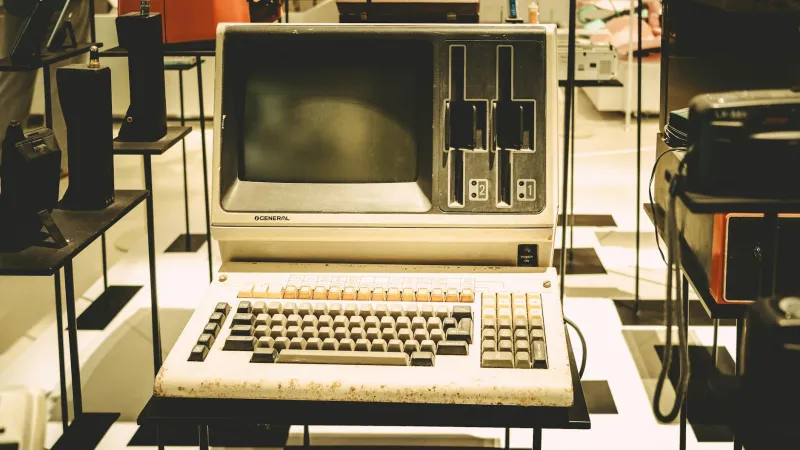
But the license was completely legitimate, issued through the FAA's brand-new computerized credentialing system that had launched earlier that year. Somewhere in the digital transition from paper files to electronic databases, a series of data-entry errors had transformed Morrison from a bean counter into a federally certified commercial airline pilot.
The Digital Mix-Up That Grounded Common Sense
The mistake began with a seemingly innocent clerical error at the FAA's Oklahoma City processing center. A data entry clerk, working through a backlog of pilot license renewals, accidentally merged Morrison's tax preparation business registration—filed under a similar tracking number—with the flight credentials of an actual commercial pilot from Nevada.
 Photo: Oklahoma City, via c2.staticflickr.com
The FAA's new computer system, designed to streamline aviation licensing, had no built-in safeguards to catch such obvious discrepancies. It dutifully processed Morrison's "application," noting his "extensive flight experience" and "exemplary safety record" based on the Nevada pilot's actual qualifications.
Within weeks, Morrison's mailbox began filling with increasingly surreal correspondence. First came the official license. Then followed renewal notices, safety bulletins, and updates on new aviation regulations. The FAA's computers had fully integrated Morrison into the national pilot database, complete with endorsements for multi-engine aircraft and instrument flight rules.
Job Offers at 30,000 Feet
The situation escalated dramatically when Morrison started receiving job offers from major airlines. Regional carriers, desperate for qualified pilots during the industry's rapid expansion, had begun mining the FAA database for potential hires. Morrison's "credentials" looked impressive on paper—a clean safety record, proper endorsements, and current medical clearances.
"I got three different airlines calling me in one week," Morrison recalled. "They were offering signing bonuses, relocation packages, the whole nine yards. I kept trying to explain that I was an accountant, but they thought I was just being modest."
One persistent recruiter from a major carrier even showed up at Morrison's accounting firm, briefcase full of employment contracts and route schedules. The recruiter spent twenty minutes explaining benefits packages before Morrison could convince him that the only thing he'd ever piloted was a calculator.
The Paper Trail That Led Nowhere
Morrison's attempts to correct the error quickly became a bureaucratic nightmare. The FAA's customer service representatives, working from the same flawed database, insisted his license was valid and properly issued. When Morrison explained he'd never taken flight training, agents assumed he was confused about renewal procedures.
"They kept asking me for my instructor's name and what flight school I attended," Morrison said. "When I told them I'd never been to flight school, they'd put me on hold and come back even more confused."
The situation persisted for over two years. Morrison continued receiving official FAA correspondence, including notices about mandatory safety seminars and updates to his medical certification requirements. His "pilot profile" remained active in the national database, where it continued attracting attention from airlines and charter companies.
When Reality Finally Landed
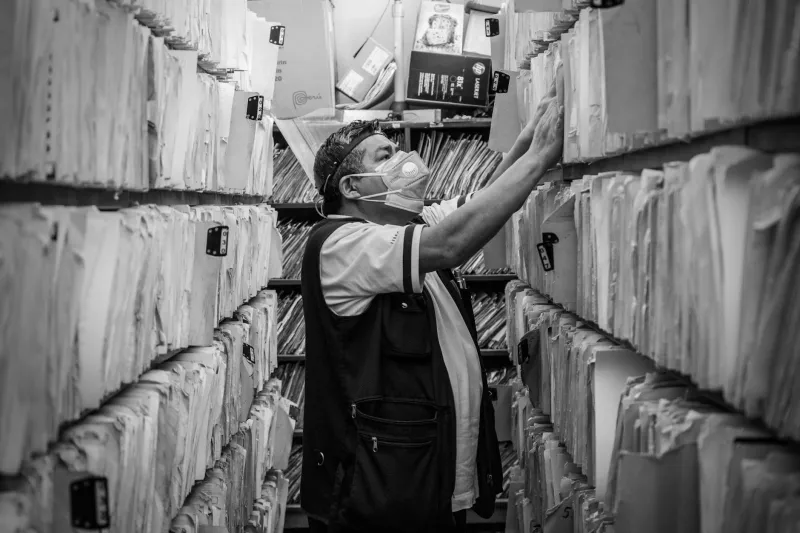
The error only came to light in 1985 when a routine audit of the FAA's computerization project revealed thousands of similar data-entry mistakes. Investigators discovered that the rushed transition to electronic records had created a sprawling mess of mismatched identities, duplicate licenses, and phantom pilots.
Morrison's case became the poster child for the system's failures. Here was a man who openly admitted he'd never flown a plane, yet held federal credentials that legally qualified him to captain commercial aircraft carrying hundreds of passengers.
"It was like finding out your local librarian had accidentally been certified to perform brain surgery," one FAA official said during congressional hearings. "The implications were terrifying."
The Fallout That Changed Aviation
The Morrison incident triggered a complete overhaul of the FAA's licensing verification systems. Congress mandated new safeguards requiring cross-referencing with flight training records, medical examinations, and practical flight tests. The agency also implemented regular audits to catch similar errors before they could endanger public safety.
Morrison himself became something of a reluctant celebrity, testifying before Congress about his bizarre experience. He used his fifteen minutes of fame to advocate for stronger government data verification systems—a cause that resonated well beyond aviation.
"If they could accidentally make me a pilot, what other mistakes were hiding in government computers?" Morrison asked lawmakers. It was a prescient question that would echo through decades of subsequent technology failures.
The Accountant's Final Flight
Morrison never did learn to fly. He returned his erroneous license to the FAA with a polite letter noting that while he appreciated their confidence in his abilities, he preferred keeping his feet firmly on the ground. The agency sent him an official apology and a commemorative pen set.
Today, the incident serves as a cautionary tale about the dangers of blind faith in computer systems. Morrison's story reminds us that sometimes the most sophisticated technology can produce the most absurd results—and that human oversight remains irreplaceable, even in our digital age.
After all, when it comes to flying commercial aircraft, there's really no substitute for actually knowing how to fly.