When Neighbors Attack (With Presidential Pet Names)
The most specific pet naming law in American history began with a property line dispute between two Georgia neighbors who couldn't agree where one yard ended and another began. By the time their feud reached its peak in 1987, it had somehow evolved into a legal battle over whether calling your dog "Reagan" constituted harassment.
What started as a simple boundary disagreement in Dalton County became a cautionary tale about how personal vendettas can create absurd legal precedents that outlast the people who inspired them.
 Photo: Dalton County, via mugshotbot.com
The conflict originated between Harold Kemper, a retired postal worker, and his neighbor Janet Morrison, a local elementary school teacher. Their adjacent properties shared a fence line that had been informally maintained for decades without any official survey markers.
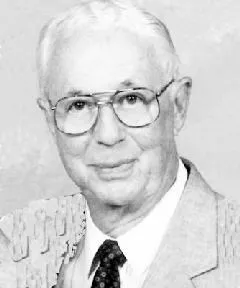 Photo: Harold Kemper, via cache.legacy.net
The Escalation That Nobody Saw Coming
The trouble began when Kemper decided to build a storage shed near the back of his property. Morrison claimed the construction encroached on her land by approximately eighteen inches. Kemper insisted his shed sat entirely within his legal boundaries.
Neither neighbor wanted to pay for a professional survey, so they spent months arguing about the shed's placement. The dispute escalated through increasingly petty acts of retaliation: Morrison began parking her car to block Kemper's driveway access. Kemper started mowing his lawn at 6 AM on weekends.
Then Morrison adopted a German Shepherd and named him Reagan.
The Presidential Pet Provocation
Kemper, a vocal Democrat, interpreted his neighbor's choice of pet name as a deliberate political insult. Morrison claimed she simply admired President Reagan's leadership qualities and thought the name suited her dog's personality.
The situation might have remained a minor neighborhood annoyance, but Kemper escalated dramatically. He adopted three cats and named them Carter, Mondale, and Dukakis — ensuring Morrison would hear Democratic names called loudly across the fence line every evening at feeding time.
Morrison responded by teaching Reagan to respond to extended political commands. The dog learned to "Make America Great Again" (roll over), "Tear Down This Wall" (jump through a hoop), and "Read My Lips" (speak on command).
When Pet Names Became Legal Weapons
The feud reached peak absurdity when both neighbors began hosting outdoor "political rallies" for their pets. Kemper organized "Democratic strategy sessions" in his backyard, complete with campaign music and speeches directed at his cats. Morrison held "Republican town halls" featuring Reagan the dog as the guest speaker.
Local police received multiple noise complaints. Neighbors on surrounding streets reported hearing political chants, campaign songs, and what sounded like "very enthusiastic pet training" at all hours.
The situation exploded when Morrison acquired a second dog and named him Bush. Kemper immediately adopted a parrot and taught it to squawk "No new taxes!" repeatedly throughout the day.
The Judge Who'd Had Enough
By late 1987, both neighbors had filed multiple harassment complaints against each other. County Judge William Patterson found himself presiding over what court records describe as "the most politically charged pet custody case in Georgia judicial history."
During hearings, Patterson listened to testimony about:
- Whether naming a pet after a sitting president constituted political speech
- If teaching animals to perform "political tricks" violated noise ordinances
- Whether pet names could legally constitute harassment
- The constitutional implications of government-regulated pet naming
Federal civil rights lawyers actually filed briefs in the case, arguing that restricting pet names violated First Amendment protections.
The Nuclear Option
Judge Patterson's solution was characteristically extreme: he issued a local ordinance prohibiting any Dalton County resident from registering a pet under the name of any current or former U.S. president.
The ruling, officially designated as "Dalton County Ordinance 1987-23: Restrictions on Municipal Pet Registration Names," stated that presidential pet names created "potential for ongoing civil disturbance" and "unnecessary political tension within residential communities."
The ordinance applied only to official pet registration with the county. Residents could technically call their pets whatever they wanted privately, but couldn't legally register them under presidential names for licensing, vaccination records, or official identification.
The Unintended Legal Legacy
Patterson apparently intended the ordinance as a temporary measure to resolve one specific dispute. But local government procedures required a formal repeal process, which never happened. The judge retired in 1989. Both feuding neighbors eventually moved away. But Ordinance 1987-23 remained on the books.
For over three decades, Dalton County has maintained America's only legal prohibition on presidential pet names. The restriction has created occasional complications:
- A 1993 resident couldn't register her cat "Lincoln" and had to use "Abe" instead
- A 2001 family was forced to officially name their dog "Dubya" rather than "Bush"
- A 2009 Obama enthusiast registered his puppy as "Barack" (first names were apparently acceptable)
- A 2017 Trump supporter discovered she couldn't legally register her golden retriever "Donald" and settled for "Donnie"
The Modern Loophole Hunters
Over the years, several Dalton County residents have tested the ordinance's limits. Legal scholars have identified numerous potential loopholes:
- Nicknames appear to be acceptable ("Ike" instead of "Eisenhower")
- First names seem legally permissible ("Ronald" instead of "Reagan")
- Misspellings might qualify as different names ("Clynton" instead of "Clinton")
- Hyphenated names could circumvent the restriction ("Reagan-Dog")
No one has successfully challenged the ordinance in court, partly because the legal costs would far exceed any practical benefit.
The Bureaucratic Immortality
Today, Dalton County clerks still reference Ordinance 1987-23 when processing pet registrations. New employees receive training about the presidential name restriction. The county's official pet registration form includes a footnote explaining the limitation.
Local veterinarians have learned to warn new residents about the naming rules. Pet adoption agencies in the area maintain lists of "acceptable alternative names" for presidential-minded pet owners.
The ordinance has survived multiple county government reorganizations, computer system updates, and administrative reviews. It appears in current legal databases as an active local regulation, proof that sometimes the most absurd laws achieve immortality through bureaucratic inertia.
Harold Kemper and Janet Morrison's property dispute was resolved decades ago. Their fence line was professionally surveyed. The storage shed was moved. Both neighbors sold their houses and left Georgia.
But their legacy lives on in Dalton County's legal code, where the ghost of a 1987 neighborhood feud continues to prevent residents from legally naming their pets after presidents — a restriction that proves sometimes the most personal conflicts create the most enduring public consequences.