The Theft That Started with a Broken Window
The security guard at the Midwest Museum of Natural Sciences discovered the break-in at 6:47 AM on a frigid February morning in 1987. Someone had smashed through a rear window and made off with the museum's crown jewel: a magnificent sauropod femur bone that had anchored the paleontology wing for over ninety years.
The theft seemed straightforward enough—until the insurance company's appraiser arrived to document the loss. What Dr. Elizabeth Warren found would unravel not just one crime, but nearly a century of institutional deception that had been hiding in plain sight.
 Photo: Dr. Elizabeth Warren, via www.alumni.gwu.edu
The Bone That Built a Reputation
The stolen femur had been the museum's founding treasure, discovered during an 1891 expedition to Montana's Judith River Formation. The six-foot-long bone had supposedly belonged to a massive plant-eating dinosaur, and its acquisition had transformed a modest regional collection into a destination for paleontology enthusiasts from across the Midwest.
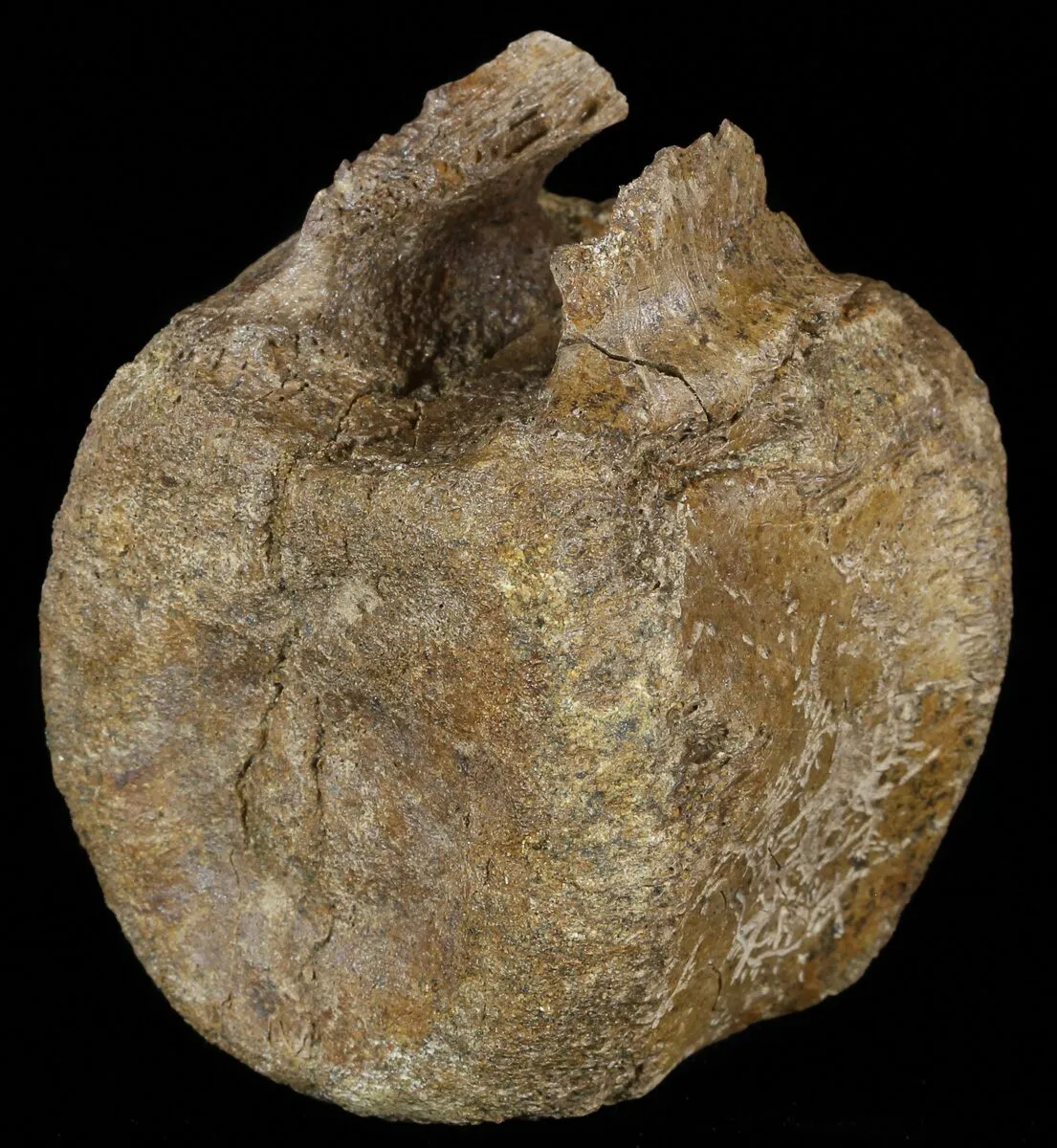 Photo: Judith River Formation, via assets2.fossilera.com
For generations, school children had marveled at the ancient relic, while graduate students traveled hundreds of miles to study its unique characteristics. The museum's promotional materials proudly featured the bone, describing it as "one of the finest examples of Late Cretaceous fauna in North America."
But when Dr. Warren began her insurance assessment, she immediately noticed something troubling about the crime scene photographs.
The Crack That Revealed Everything
Warren, a paleontologist with twenty years of experience evaluating fossil collections, spotted the telltale signs during her initial examination of the theft site. The way the bone had broken when the thieves dropped it while fleeing revealed internal structures that looked suspiciously uniform—too uniform for genuine fossilized material.
"Real dinosaur bones have complex internal patterns created by millions of years of mineralization," Warren later explained to investigators. "What I saw in those fragments looked like industrial plaster from the early 1900s."
Her concerns prompted a deeper investigation that would expose one of academia's most successful long-term frauds.
Following the Paper Trail to 1894
Warren's forensic analysis of the bone fragments confirmed her suspicions: the museum's prized specimen was indeed a plaster replica, expertly crafted but ultimately fake. This discovery launched a frantic search through the museum's historical records to determine when and how the original bone had been replaced.
The answer lay buried in a dusty archive box containing construction invoices from 1894. The museum, facing severe financial difficulties while building its new permanent facility, had quietly sold its most valuable specimens to private collectors to cover mounting debts. The sauropod femur had been purchased by a wealthy industrialist for his private collection—a transaction that museum officials decided to keep secret.
The Conspiracy of Silence
Rather than admit they had sold their star attraction, museum administrators commissioned a local sculptor to create an exact plaster replica. The fake was so convincing that it fooled visitors, researchers, and even subsequent museum curators for nearly a century.
The conspiracy required careful coordination among multiple staff members, but it worked because few people ever questioned the bone's authenticity. The museum's reputation had been built on the specimen, and admitting its sale would have been professional suicide for everyone involved.
"They created a lie that was too big to fail," Warren observed. "Each generation of museum staff inherited the deception and felt obligated to maintain it."
When Academic Fraud Meets Modern Crime
The insurance investigation created a bizarre legal situation. The museum had filed a theft claim for a "priceless paleontological specimen" that was actually worth about fifty dollars in art supplies. The real question became: can you file a legitimate insurance claim for the theft of something that was never really there?
Legal experts struggled with the unprecedented case. The museum had been paying insurance premiums on a fake artifact for decades, while the insurance company had been accepting payments for coverage of a non-existent item. Both parties had been operating under false assumptions for years.
The Thieves' Unwitting Public Service
Ironically, the criminals who broke into the museum performed an accidental public service by exposing the long-running deception. Their clumsy theft—they apparently dropped the bone while climbing back through the window—created the damage that revealed its true nature.
Police never identified the thieves, who likely had no idea they had stolen a worthless replica instead of a valuable fossil. The broken plaster fragments they left behind were worth more to science than the intact fake had ever been.
The Museum's Moment of Truth
Faced with undeniable evidence of the century-old fraud, museum officials had two choices: continue the cover-up or come clean about their institutional history. After weeks of internal debate, they chose transparency.
The museum held a press conference acknowledging the deception and apologizing to generations of visitors who had been unknowingly viewing a fake. They used the incident as an opportunity to discuss the financial pressures that had driven their predecessors to such desperate measures.
"We can't change what happened in 1894," the museum director stated, "but we can make sure it never happens again."
The Unexpected Happy Ending
The story took a surprising turn when publicity about the fake bone attracted the attention of the original buyer's descendants. The industrialist's great-granddaughter still possessed the genuine sauropod femur, which had been gathering dust in her family's estate for decades.
She donated the real bone back to the museum, finally returning the specimen to public display after nearly a century in private hands. The museum now exhibits both the authentic fossil and fragments of the plaster replica, using them to tell the complete story of institutional deception and eventual redemption.
Lessons from a Broken Bone
The case became a landmark example of how institutional pressures can perpetuate fraud across generations. Museum ethics courses now study the incident as a cautionary tale about the dangers of prioritizing reputation over honesty.
Dr. Warren, who had started the investigation as a routine insurance assessment, became an advocate for transparency in museum collections. Her work led to new standards requiring regular authentication of valuable specimens and full disclosure of any past ownership issues.
The theft that seemed like a simple crime had actually solved a mystery that had been hiding in plain sight for nearly a hundred years. Sometimes it takes a broken window—and a broken bone—to let the light shine on buried truths.