The Most Unusual Plaintiff vs. Defendant in Legal History
On September 14, 2007, Nebraska State Senator Ernie Chambers walked into the Douglas County courthouse in Omaha and filed a lawsuit that would make legal history for all the wrong reasons. The defendant: God. The charges: causing widespread death, destruction, and terrorization of millions upon millions of Earth's inhabitants.
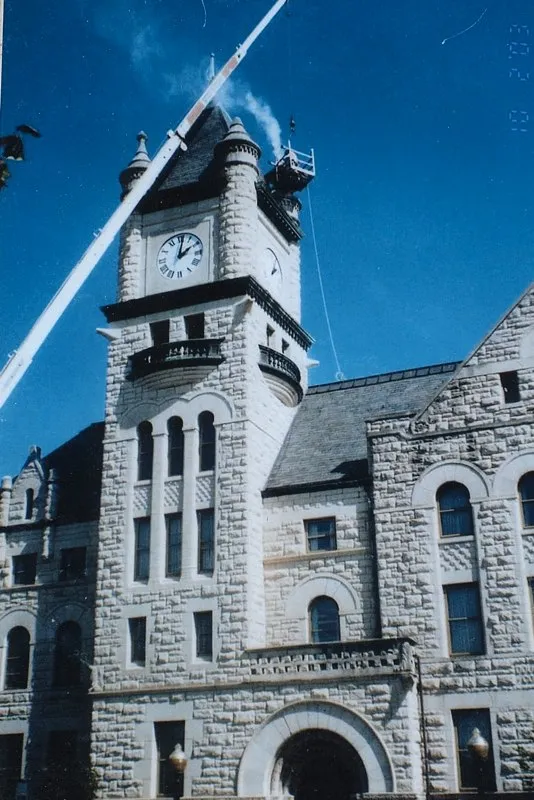 Photo: Douglas County courthouse, via www.keithmiddlemas.com
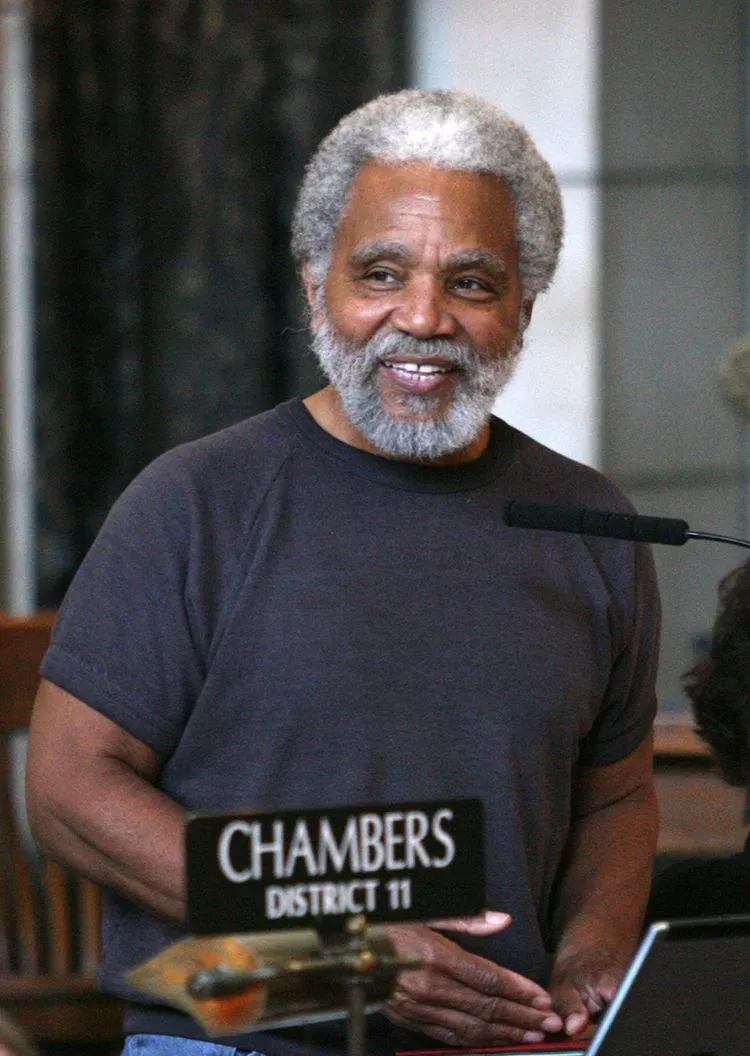 Photo: Ernie Chambers, via alchetron.com
This wasn't a publicity stunt or a satirical performance piece. Chambers, a seasoned legislator with 38 years in the Nebraska unicameral, had crafted a legitimate legal document complete with proper citations, formal complaints, and a request for a permanent restraining order against the Almighty.
The Case for Divine Liability
Chambers' eight-page complaint read like a prosecutor's opening statement against the universe itself. He accused God of causing "fearsome floods, egregious earthquakes, horrendous hurricanes, terrifying tornadoes, pestilential plagues, ferocious famines, devastating droughts, genocidal wars, birth defects, and the like."
The filing wasn't random theological ranting. Chambers had done his homework, citing specific legal precedents and constitutional provisions. He argued that if American courts could hear cases against foreign governments and abstract entities like corporations, they should be equally capable of adjudicating grievances against divine beings.
"The defendant has made and continues to make terroristic threats of grave harm to innumerable persons," the complaint stated, referencing biblical passages about divine wrath and eternal damnation as evidence of ongoing intimidation.
Chambers sought an injunction ordering God to cease and desist from causing natural disasters, along with "other harmful activities and the making of terroristic threats."
Why a Judge Had to Take It Seriously
District Court Judge Marlon Polk found himself in an unprecedented position. Under Nebraska law, he was required to evaluate every properly filed lawsuit, regardless of how unusual the defendant might be. The question wasn't whether the case made sense—it was whether the court had jurisdiction to hear it.
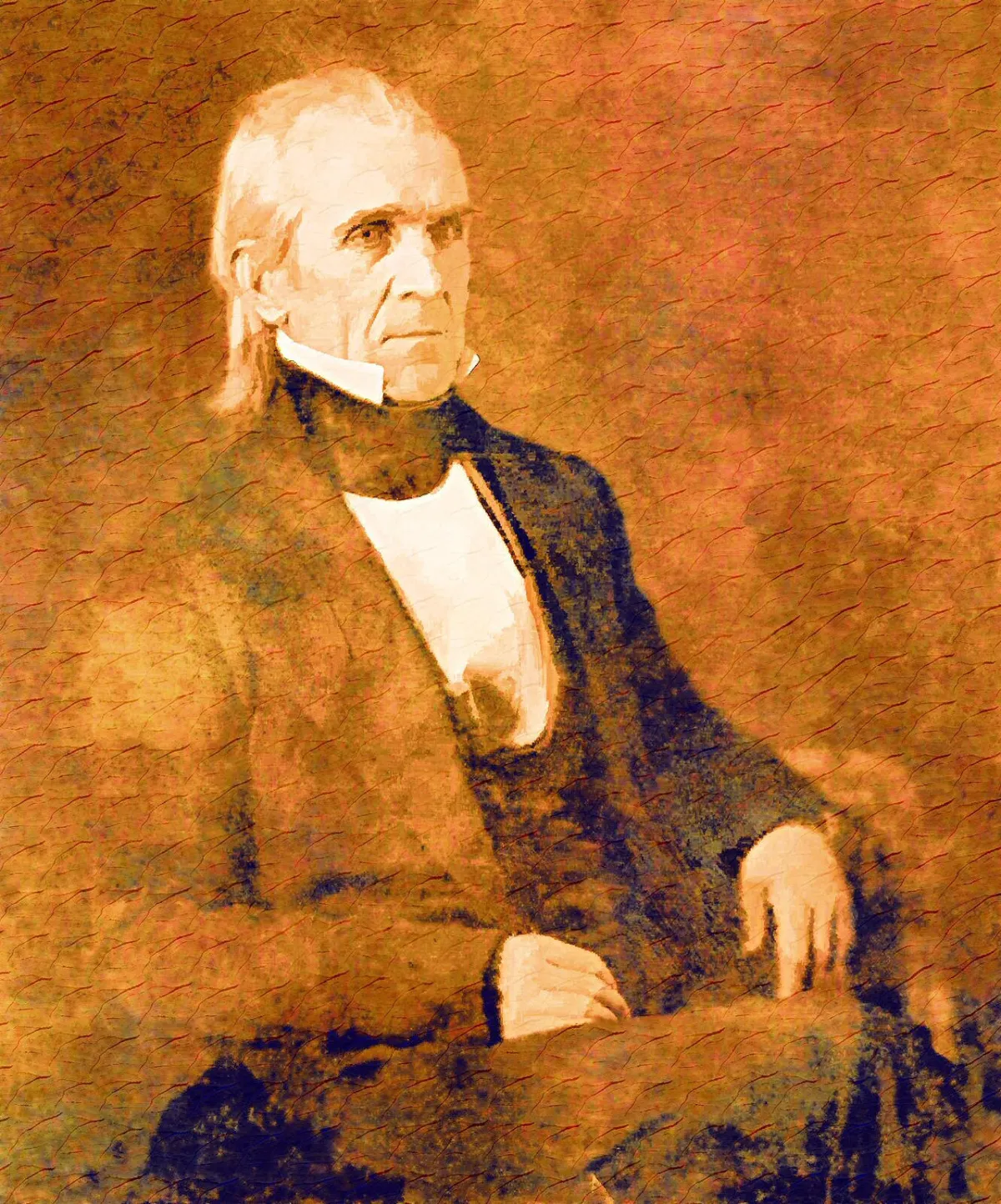 Photo: Marlon Polk, via images-wixmp-ed30a86b8c4ca887773594c2.wixmp.com
Polk spent weeks researching legal precedents for cases involving non-traditional defendants. He consulted with colleagues, reviewed constitutional law, and examined the philosophical foundations of American jurisprudence. The case forced him to grapple with fundamental questions about the nature of legal standing and the limits of judicial authority.
"I've presided over thousands of cases," Polk later said in an interview. "I never expected to spend three weeks researching whether I could legally issue a subpoena to God."
The Constitutional Complications
The case created a fascinating constitutional puzzle. Chambers argued that the First Amendment's establishment clause actually supported his position—if American law truly maintained separation of church and state, then courts should be able to treat religious figures as they would any other legal entity.
Legal scholars watched with fascination as the case proceeded through standard judicial channels. Court clerks had to figure out how to properly serve papers to a defendant with no known earthly address. The bailiff's office spent hours debating whether God would need to post bail if found in contempt of court.
Chambers had anticipated these procedural challenges. His filing argued that God was "omnipresent" and therefore automatically served with any legal papers filed anywhere in the universe. He also noted that as an omniscient being, God would already be aware of the lawsuit regardless of formal notification procedures.
The Judge's Impossible Decision
After careful consideration, Judge Polk issued a ruling that was both legally sound and completely surreal. He dismissed the case—not because it was frivolous, but because the plaintiff had failed to provide a valid address for serving the defendant.
"Given that this court is a court of limited jurisdiction," Polk wrote, "the court cannot accept jurisdiction over a defendant who is beyond the territorial limits of this court."
The ruling was a masterpiece of judicial diplomacy. Polk had found a way to dismiss the case on purely technical grounds without having to rule on whether God could be held legally liable for natural disasters. He avoided both constitutional crisis and theological controversy by sticking to basic procedural requirements.
The Method Behind the Apparent Madness
Chambers later revealed his true motivation for the lawsuit. As chairman of the Nebraska Legislature's Judiciary Committee, he had grown frustrated with what he saw as frivolous lawsuits clogging the court system. His case against God was designed to highlight the absurdity of allowing anyone to sue anyone for anything.
"If you can sue anybody in court, you can sue God," Chambers explained to reporters. "The point was to show that the courts are being used for things they were never intended to handle."
The lawsuit achieved exactly what Chambers intended. Legal experts across the country began discussing reforms to prevent truly frivolous litigation, while constitutional scholars debated the broader implications of the case for religious freedom and judicial authority.
The Lasting Legacy of Divine Litigation
The case became required reading in several law schools as an example of how creative legal thinking can expose fundamental flaws in judicial systems. It also entered popular culture as one of the most unusual court cases in American history.
Judge Polk kept a framed copy of his ruling in his office until his retirement in 2019. When asked about the case during his farewell ceremony, he smiled and said, "In 30 years on the bench, I learned that the law can handle almost anything—even the impossible cases."
Chambers continued serving in the Nebraska Legislature until 2020, becoming the longest-serving state senator in the country's history. He never filed another lawsuit against a divine being, though he occasionally threatened to sue the weather when particularly frustrated with Nebraska's climate.
The original court documents remain in the Douglas County archives, filed under "Chambers v. God"—quite possibly the only case in American legal history where the defendant's omnipresence was listed as a complicating factor in service of process.