Democracy's Most Embarrassing Typo: The Fictional Mayor Nobody Caught for Months

Democracy's Most Embarrassing Typo: The Fictional Mayor Nobody Caught for Months
Local democracy runs on trust. Somewhere between the candidate filing deadline and the county board certification, the assumption is that someone — anyone — will verify that the person whose name appears on the ballot is, in fact, a person. That assumption, it turns out, is doing a lot of heavy lifting.
In a small New England town whose name has been carefully avoided in most retellings of this story — for reasons that will become obvious — a routine local election produced a certified winner who did not exist. The name on the ballot, the address on the filing form, and the identity attached to the whole enterprise belonged to a fictional character from a regional novel that had been out of print for the better part of thirty years. And for several months, official government correspondence went out addressed to someone who had never drawn a breath.
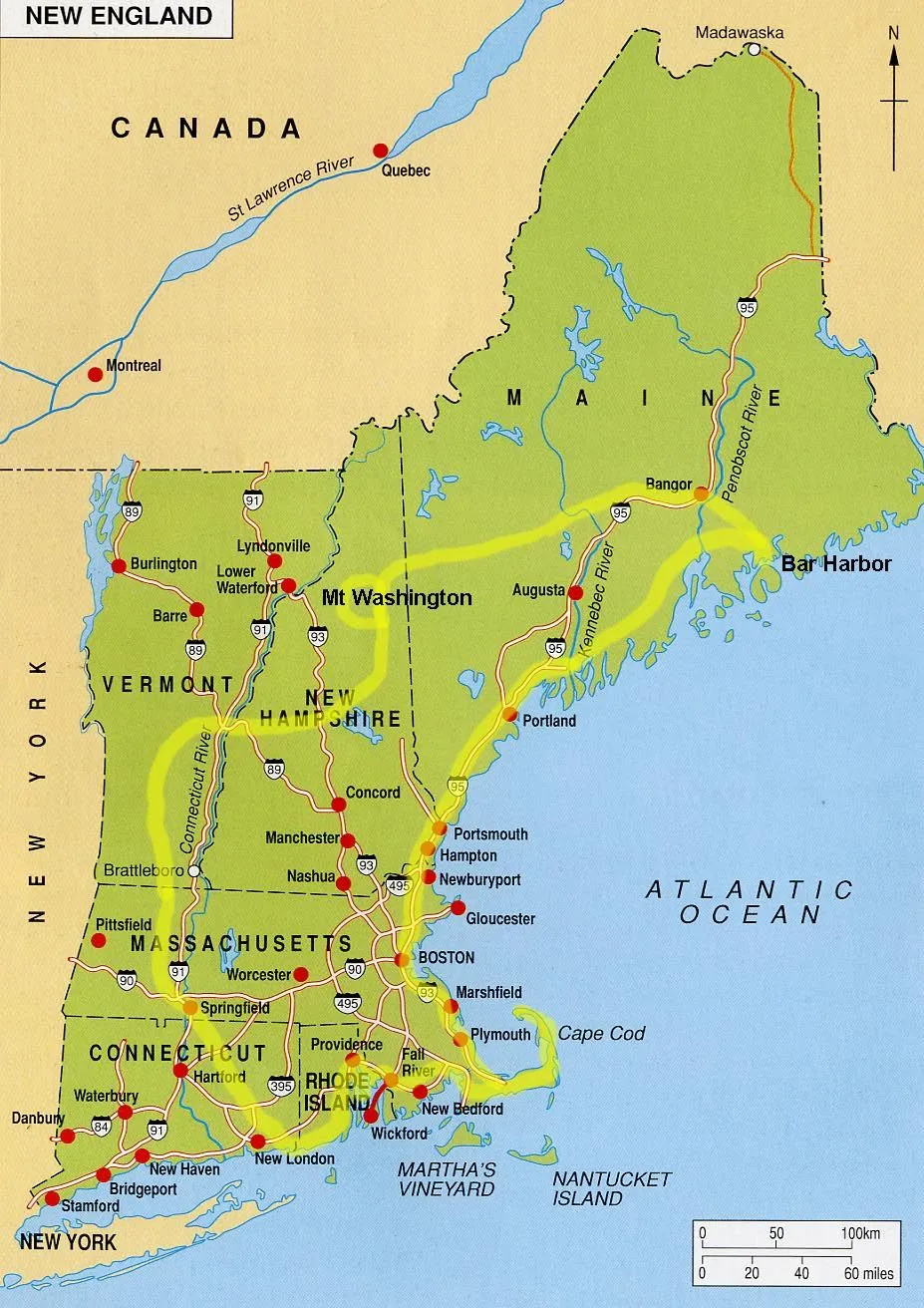 Photo: New England, via i.pinimg.com
An Uncontested Race and a Clerical Shortcut
To understand how this happened, you have to understand what local elections look like in small New England towns. We're talking about positions like town clerk, road commissioner, or selectboard member — roles that in a community of a few hundred people often go uncontested simply because not many people want the job. Voter turnout for these races can be measured in dozens. Sometimes less.
In this particular case, the position in question was a minor administrative seat — the kind of role that mostly involves showing up to two or three meetings a year and signing documents. When a filing arrived with a name, an address, and the required information, the clerk's office processed it. There was no contested race, no opponent, no reason to look closely. The filing met the technical requirements, and the name went on the ballot.
What nobody caught — not the clerk, not the county board, not the local paper that ran a one-paragraph notice about the uncontested results — was that the name on the filing matched, almost perfectly, a character from a novel set in rural New England. The book, published in the late 1950s and beloved in certain academic circles before fading from general circulation, featured a minor character with a distinctive name and a fictional address in a fictional town that bore a striking resemblance to several real ones in the region.
How the Error Survived Multiple Reviews
This is where the story gets genuinely interesting, because it didn't slip through a single crack. It slipped through several.
First, the initial filing. County rules required a name, an address within the district, and a signature. The filing had all three. Whether the signature was checked against any voter registration is unclear, but in an uncontested race with no challenger to raise questions, the bar for scrutiny was low.
Second, the ballot itself. In many small New England towns, uncontested races don't always appear on a physical ballot at all — the winner is simply declared by default. In this case, the name was included on a paper ballot as a formality. Nobody voted against the candidate. Nobody voted for one either, really. The result was certified as valid.
Third, the county board review. Certified results are typically reviewed before being made official. The board, by all accounts, looked at a clean uncontested result with no irregularities flagged and moved on. Their job, as they understood it, was to catch procedural problems — not to cross-reference names against the regional literary canon.
The certified winner was formally recorded in the county's official records and sent a letter of congratulations.
The letter was returned as undeliverable.
The Moment Someone Finally Checked
According to the accounts that have circulated in New England local government circles — the kind of story that gets told at county clerk conferences with a mixture of horror and laughter — the error was discovered not by any official audit but by a retired schoolteacher who happened to be on the town's historical records committee.
She was cross-referencing old voter rolls for a genealogical project when she noticed the name in the official records. She recognized it immediately — she had taught the novel in a high school English class for years. She brought it to the town clerk, who brought it to the county board, which then had to confront the fact that it had certified the election of a fictional person to a real government seat.
The position had technically been vacant the entire time. No meetings had been missed because none were scheduled. No decisions had been left unmade. The fictional officeholder had, in a sense, done the job perfectly — which is to say, nothing happened either way.
What This Tells Us About Local Elections
The instinct here is to laugh, and honestly, that instinct is correct. But there's a more serious layer underneath the absurdity.
Local elections across rural America operate with almost no institutional scrutiny. The Federal Election Commission doesn't oversee town clerk races. State election boards focus their attention on state and federal contests. The people responsible for verifying local candidates are often the same small office that also handles dog licenses and property transfers — and they're doing it with limited staff, limited budgets, and a reasonable assumption that the people filing paperwork are who they say they are.
 Photo: Federal Election Commission, via i0.wp.com
Studies of local election administration have consistently found that verification procedures vary wildly from county to county, and that uncontested races receive the least scrutiny of all. When no one is running against you, the logic goes, there's no one to raise a challenge. The system relies on candidates policing each other in competitive races. Remove the competition, and a surprising amount of the guardrail goes with it.
The New England town quietly filled the seat through a proper special appointment process and updated its filing procedures to require additional verification. The county board, to its credit, did not try to pretend the whole thing hadn't happened.
Democracy's Fine Print
Somewhere in a county records office in New England, there is an official government document listing a fictional character as a duly certified elected official. It has not been destroyed. It has been filed, because government offices file things.
That document is, in its own strange way, a perfect artifact of how democracy actually works at the local level — not as a gleaming civic machine, but as a human system held together by paperwork, good faith, and the occasional retired schoolteacher who actually read the novel.