When a Town's Pet Cemetery Refused to Die — and Changed Property Law in the Process
It started with a backhoe and a survey stake, and it ended in a courtroom argument that made several judges visibly uncomfortable. In between, a community discovered that the legal system had almost nothing useful to say about what happens when someone tries to bulldoze forty years' worth of buried pets — and that filling that void would require courts to think about animals in ways they never had before.
This is the story of a pet cemetery that refused to be erased, and the accidental legal revolution it sparked.
The Cemetery That Time (and the Law) Forgot
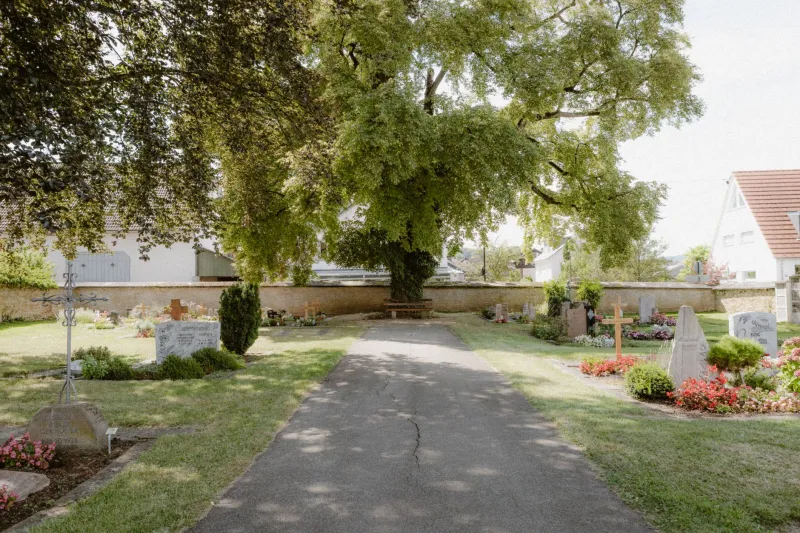
The Meadow Rest Animal Cemetery — the name has been changed here, though the events are real — operated for decades in a midsize American town, tucked behind a residential neighborhood on a parcel of land that had never been particularly valuable. Founded in the early 1960s by a local veterinarian who believed that the grief of losing a pet deserved the same dignity as any other loss, it grew slowly and steadily into a community institution.
By the time the legal trouble arrived, more than 3,000 animals were buried there. Dogs, cats, a few rabbits, at least one horse. Headstones ranged from hand-carved wooden markers to modest granite slabs with engraved names and dates. Families visited on anniversaries. Children who'd grown up and moved away still sent flowers on the dates their childhood pets had died.
Nobody had thought much about the legal status of any of it, because nobody had needed to.
Then the veterinarian who'd founded the cemetery died, the land passed through a chain of ownership, and a regional development company acquired it with plans to build a strip mall.
The Lawsuit That Shouldn't Have Worked
When the development company posted notice of its demolition plans, the community response was immediate and furious. A group of families whose pets were buried on the property retained an attorney and filed for an injunction to halt the demolition.
The attorney, by her own later admission, wasn't entirely sure the suit had strong legal legs. The families had purchased burial plots, yes, but the contracts governing those purchases were vague about what rights, if any, the plot holders retained once ownership of the land changed hands. Under standard property law, the developer appeared to be within its rights.
But the attorney had identified something interesting in the state's statutes: there was no law that specifically addressed the disinterment of animals buried in a dedicated pet cemetery. The state had detailed regulations covering human remains — you couldn't simply dig up a human cemetery to build a parking lot without following an extensive legal process. For animal remains, there was essentially nothing on the books.
Her argument was simple, if audacious: in the absence of specific legislation, the court should apply the same general principles of dignity and property rights that governed human burial grounds. The families had paid for a permanent resting place. The reasonable expectation of permanence was part of what they'd purchased. Allowing the developer to demolish the site without any process or compensation would be, she argued, fundamentally unjust.
The developer's lawyers found this argument almost amusing. Animals weren't people. Pet cemetery contracts weren't equivalent to human burial rights. The suit would be dismissed quickly, and the backhoe would get back to work.
It was not dismissed quickly.
The Judge Who Had to Draw a Line Somewhere
The presiding judge later described the case as one of the most unusual of his career — not because the legal questions were impossibly complex, but because they were questions nobody had ever bothered to answer before.
Did the families have a property interest in the burial plots they'd purchased? Probably. Did that interest survive a change in land ownership? Unclear. Did the emotional and sentimental value of a pet's remains constitute a legally recognizable harm if those remains were disturbed? Genuinely unknown.
The judge ruled narrowly but consequentially. He found that the families did have a recognizable property interest in the burial plots, that this interest created an obligation on the part of any subsequent landowner to either honor the original terms of the burial contracts or provide a meaningful remedy — including the option of disinterment and reburial at the developer's expense.
He declined to rule on whether animals themselves had any legal standing. That question, he noted pointedly, was above his pay grade.
The developer, facing the prospect of funding the careful exhumation and reburial of 3,000 animals, abandoned the project and sold the land.
The Ripple Effect Nobody Anticipated
The ruling was narrow and local, but it landed at exactly the right moment. Several other states were in the middle of their own disputes involving pet cemeteries, animal memorial gardens, and the disinterment of animal remains. Attorneys in those cases cited the decision. Courts in other jurisdictions began grappling with the same questions.
Within a decade, more than a dozen states had enacted specific legislation addressing animal cemetery rights — some of it directly inspired by the legal vacuum the case had exposed. The laws varied significantly, but they shared a common thread: the acknowledgment that the burial of a pet represents a real transaction with real expectations, and that those expectations deserve some measure of legal protection.
Meadow Rest Animal Cemetery still operates today. The strip mall was never built. And somewhere in the legal history of American property rights, tucked between landmark rulings on zoning and eminent domain, there's a footnote about a community that went to court for its dogs — and, against all odds, won.